
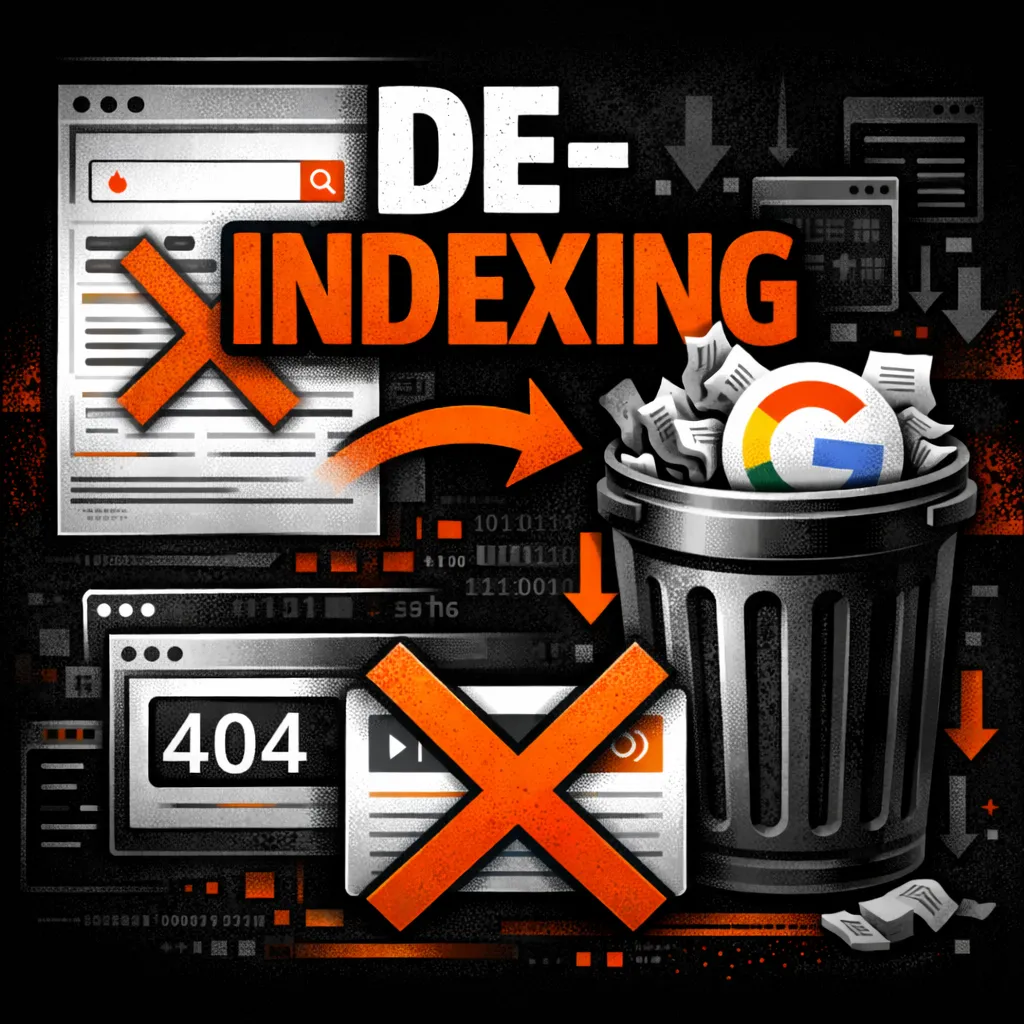
De-indexing is when a search engine removes a page, or sometimes an entire site, from its index so it no longer appears in search results. This can happen intentionally, such as when you add a noindex directive, return a 404 or 410 status, or block access in a way that signals the page should not be searchable. It can also happen unintentionally if a page becomes inaccessible, is redirected incorrectly, is treated as a duplicate of another URL, or is considered low quality or policy violating.
For accuracy and clarity, the key point is that de-indexing is different from a ranking drop. A page that is de-indexed is not eligible to show up at all, even if someone searches for its exact title. If you are trying to diagnose a de-indexing issue, start by confirming the page returns the expected status code, checking for noindex in meta tags or headers, reviewing robots.txt and any authentication blocks, and verifying canonical tags point where you intend. Search engine tools like Google Search Console can also help you see whether a URL is excluded and why, which is often the fastest way to get a clear answer.